Param Vishisht Seva Medal (PVSM)
.svg) Ati Vishisht Seva Medal (AVSM) with Bar
 Samanya Seva Medal (SM)
 Uttam Yudh Seva Medal (UYSM) & Yudh Seva Medal (YSM)
 Vishisht Seva Medal (VSM)
 Special Service Medals
 Indian Operation Vijay Star
 Operation Parakram Medal
 India High Altitude Service Medal
 Videsh Seva Medal
 India 50th Anniversary Independence Medal
 Indian 30 Years Long Service Medal
 Indian 20 Years Long Service Medal
 Indian 9 Years Long Service Medal
 UN UNAVEM medal
Theatre Commands: Why India's Military Reform Needs a Stronger Push
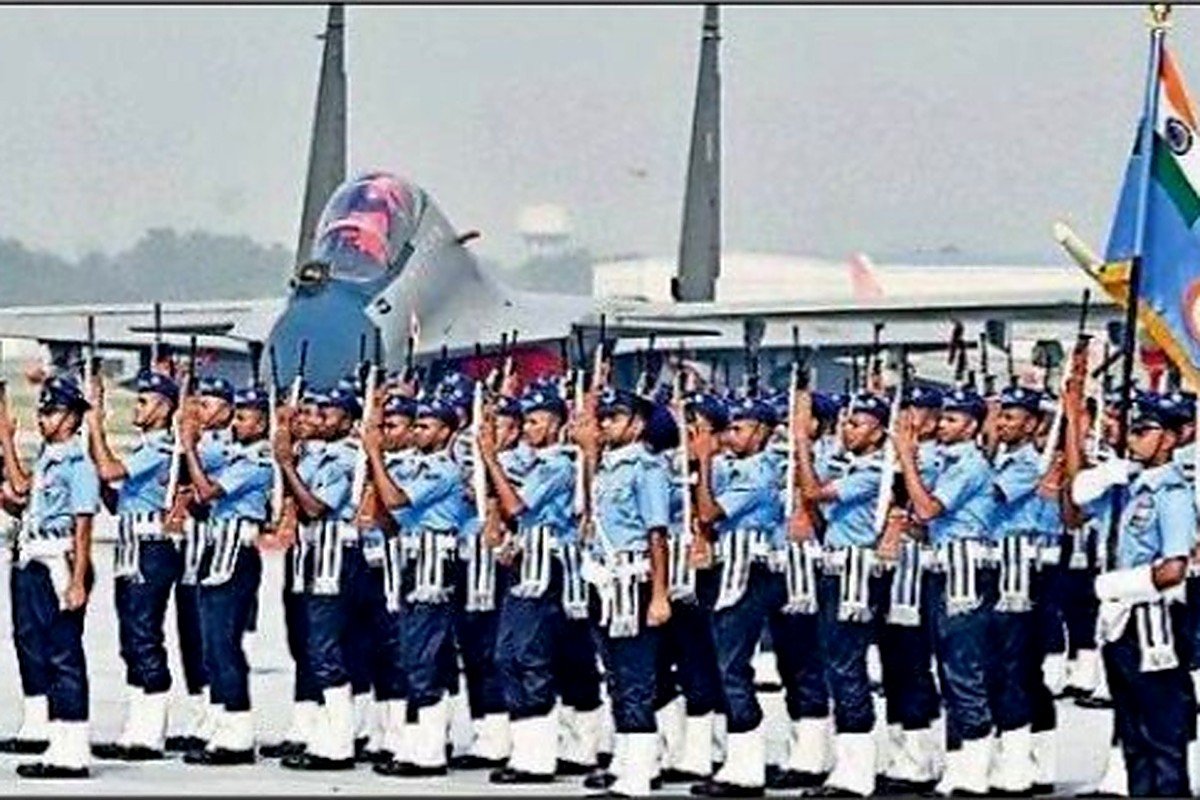
New Delhi, November 4, 2026: India's long discussed military reform involving the establishment of integrated theatre commands has once again come into focus. In an opinion article published in The Times of India, Lt Gen K J Singh (Retd), former General Officer Commanding in Chief of the Indian Army's Western Command, examined the challenges, strategic requirements and institutional changes necessary to strengthen India's defence structure.
The article highlighted the importance of greater coordination among the Indian Army, Navy and Air Force to improve operational effectiveness and preparedness for future security challenges.
India's Journey Towards Integrated Theatre Commands
The proposal for integrated theatre commands has been under consideration since the recommendations of the Kargil Review Committee and the Group of Ministers report in 2001.
A major development came in August 2019, when Prime Minister Narendra Modi announced the creation of the Chief of Defence Staff (CDS).
The reform was intended to strengthen coordination among the three armed services and improve joint military planning.
However, the process of establishing fully integrated theatre commands has continued to face institutional, operational and organisational challenges.
The Importance of Jointness in Military Operations
Lt Gen K J Singh emphasised that modern military operations require effective coordination among different branches of the armed forces.
He discussed the need to integrate operational capabilities across land, air, maritime, cyber and space domains.
The article also examined the importance of developing a unified operational command structure while considering the individual requirements and strengths of each armed service.
Lessons from China's Military Reforms
The article referred to China's military restructuring as an example of extensive defence transformation.
China's People's Liberation Army introduced major organisational reforms, including the establishment of integrated theatre commands and changes to its military command structure.
These reforms demonstrated how military organisations can pursue structural transformation, although differences in political systems and operational requirements make direct comparisons with India complex.
Lt Gen Singh argued that India should adopt a carefully considered approach suited to its own strategic environment and institutional framework.
Addressing Operational and Institutional Challenges
The article identified several challenges associated with military integration, including differences in operational doctrines, resource allocation and command responsibilities.
The Indian Air Force's emphasis on centralised control and planning was highlighted as an important consideration in developing theatre command structures.
Lt Gen Singh also questioned whether creating additional command headquarters without reducing existing organisational layers would deliver the intended improvements in efficiency.
He advocated reviewing force structures, promoting greater integration and ensuring that reforms address operational requirements rather than simply adding new administrative arrangements.
Modern Warfare Requires New Capabilities
The changing nature of warfare was another major focus of the article.
Modern military operations increasingly depend on emerging technologies, including unmanned aerial systems, long range precision weapons, cyber capabilities and space based infrastructure.
Lt Gen Singh highlighted the need to reassess traditional force structures and invest in capabilities that can support future military operations.
He also emphasised the importance of strengthening coordination among intelligence agencies, special forces and other national security institutions.
Building a More Integrated Defence Structure
According to the article, successful military reform requires more than organisational restructuring. It demands a fundamental change in institutional thinking.
Military leadership, policymakers and defence organisations must work together to establish structures that promote operational effectiveness and national security.
Lt Gen Singh also pointed to the need for political direction, institutional support and reforms in national security decision making.
The Way Forward for India's Military Reforms
The article concluded that integrated theatre commands could strengthen India's military effectiveness, provided the reforms are supported by a clear strategic vision and a genuine commitment to joint operations.
The central message was that meaningful defence transformation depends not only on changing command structures but also on encouraging cooperation, adapting to new technologies and developing a common operational mindset.
As India's security environment continues to evolve, the debate surrounding integrated theatre commands remains an important part of the country's defence modernisation efforts.
Original Article: Theatre Commands: Why India's Stalled Military Reform Needs a Push
Author: Lt Gen K J Singh (Retd)
Publication: The Times of India
Published: November 4, 2026
Category: Defence and National Security